Mobile Learning Assessments for Children
Tired of long waitlists? Contact us for timely assessments
Understanding Learning Differences
Learning differences can affect children in many ways, including reading, writing, maths, and problem-solving. These challenges may arise from intellectual disabilities, specific learning disabilities, or even advanced abilities that need special support. Every child’s learning profile is unique.


When to Seek a Learning Assessment
Consider a learning assessment if your child:
- Is struggling to keep up at school
- Has ongoing difficulties with reading, writing, or maths
- Has teachers who have raised concerns about learning progress
- Is excelling and you would like to understand their strengths or provide enrichment
Assessments can help clarify your child’s needs, whether they require extra support or advanced opportunities.
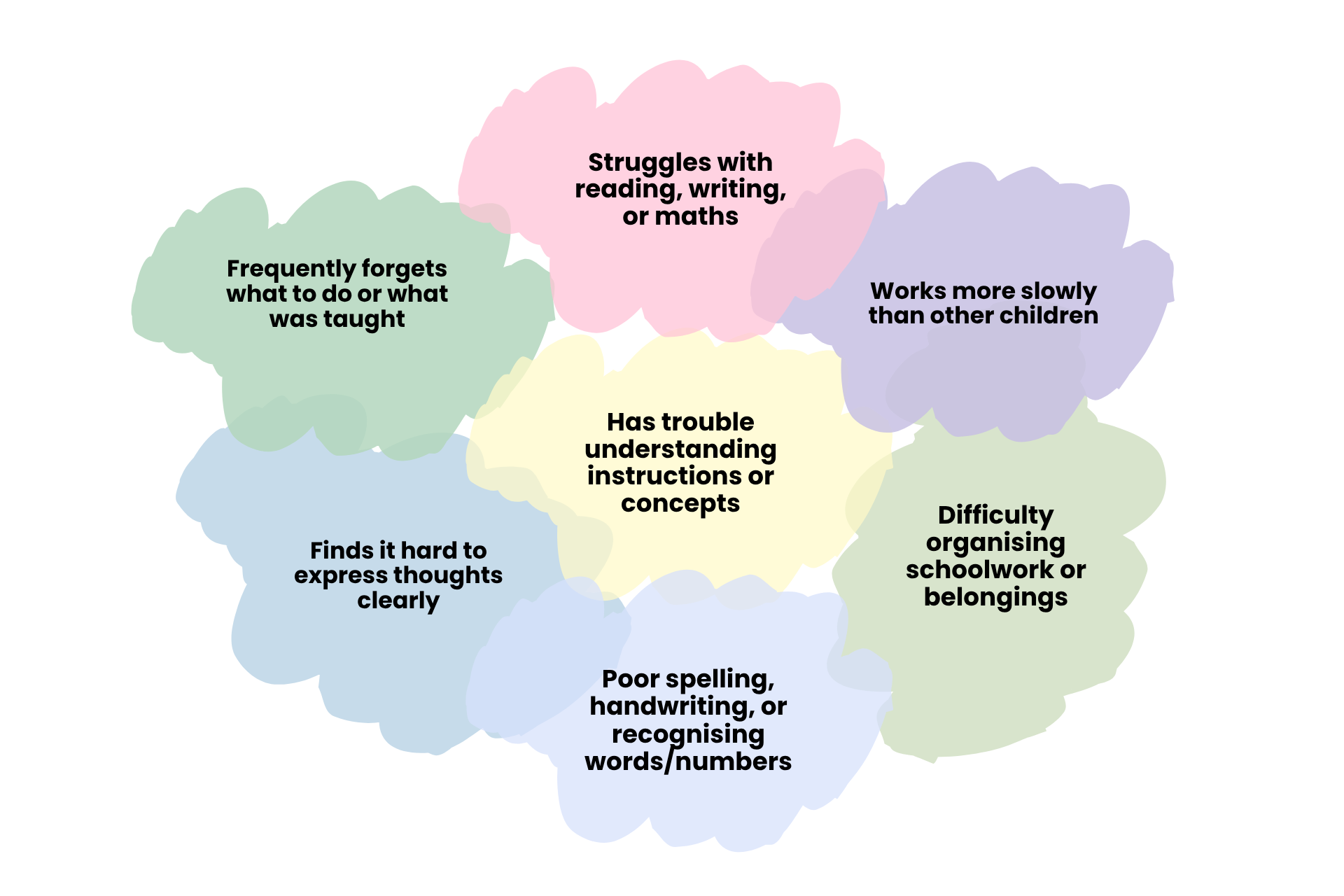
Common Signs of Learning Difficulties
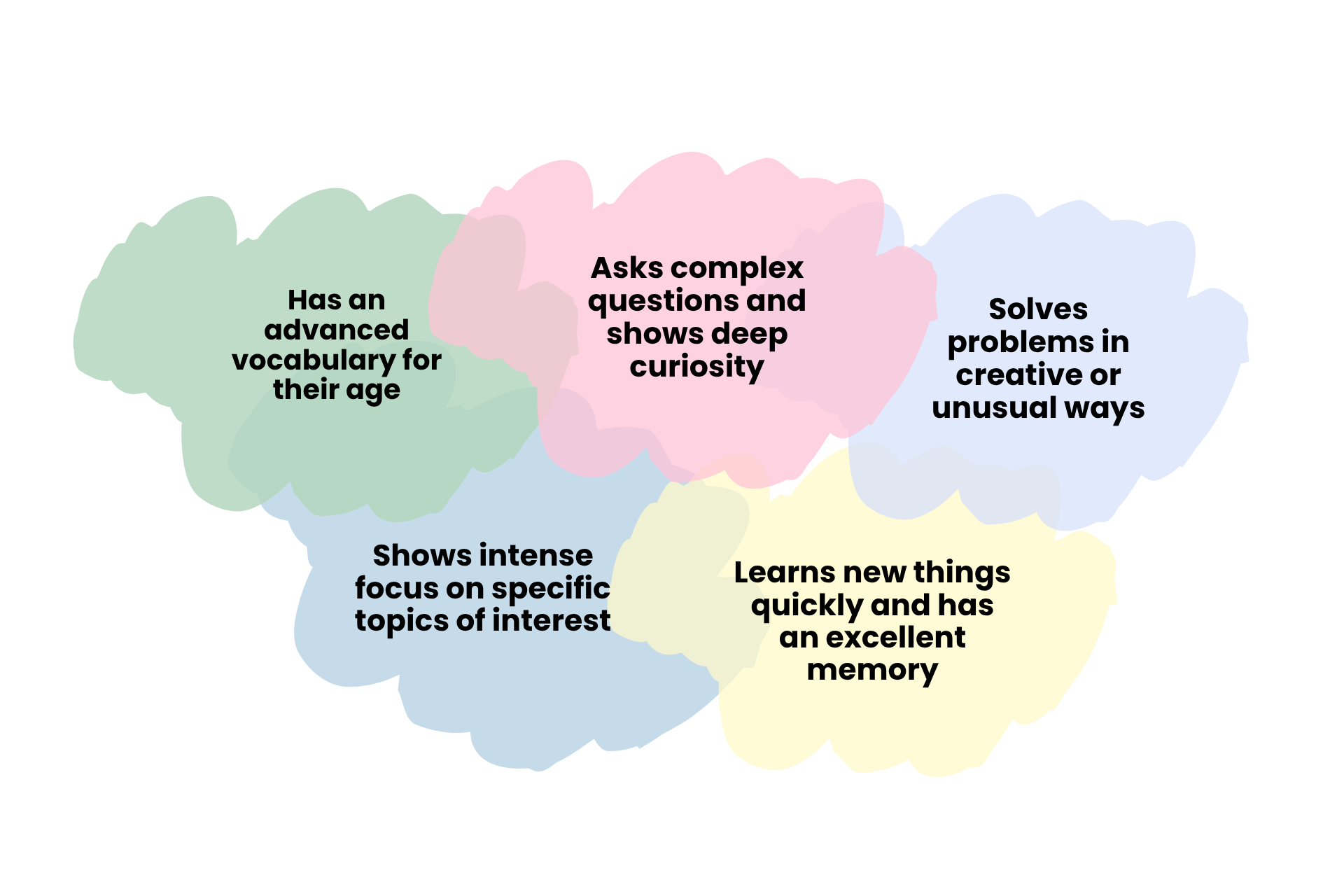
Common Signs of Giftedness
What Is a Comprehensive Learning Assessment?
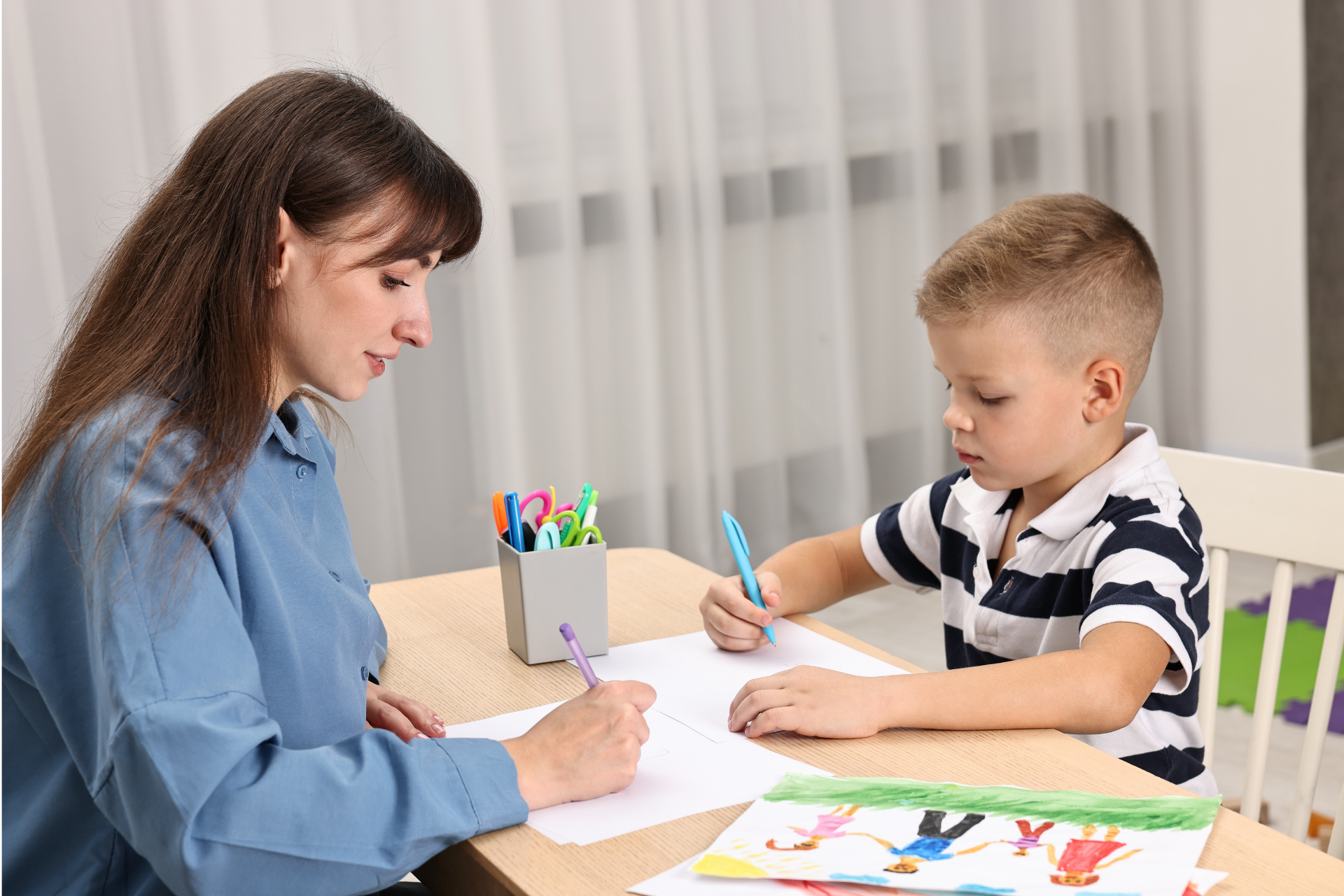
Our assessments identify your child’s strengths and challenges in academic skills such as reading, writing, and mathematics. We can diagnose learning differences like dyslexia or dyscalculia, and also highlight areas of giftedness or exceptionality. Our goal is to build a complete picture of your child’s learning profile—whether they need support, enrichment, or both.

How a Learning Assessment Fits Into Support
- Clarifies the Full Picture: We assess strengths, challenges, and areas of exceptionality in learning and thinking skills.
- Guides Individualised Support: The results help us—and you—plan strategies, accommodations, interventions, or enrichment for home and school.
- Informs Next Steps: Our report can support school funding applications, referrals to therapy or tutoring, and ongoing learning plans.
- Supports Ongoing Collaboration: Learning support often involves parents, teachers, and specialists. Our assessment provides a shared understanding for effective teamwork.
Ready to take the next step?
If you’re concerned about your child’s learning, academic progress, or would like to understand their strengths, contact us to discuss your concerns or book an assessment.
Assessment Process & Timeline

Our comprehensive education and learning assessment service offers in-depth cognitive and academic evaluations to identify individual strengths and challenges. These assessments are designed to explore presentations of specific learning disorders, such as dyslexia, dysgraphia, and other related conditions. Each session delivers detailed insights into your child’s unique learning profile, supporting an accurate understanding of their abilities and areas of need.
Session 1: Intake Appointment
An intake appointment with the parent or caregiver is essential to ensure a comprehensive understanding of your child’s developmental history, current concerns, and educational background. This meeting allows us to gather important information, clarify goals for assessment, and address any questions you may have.
This session is estimated to take 1 hour to complete.

Session 2: Cognitive Assessment (WPPSI-IV or WISC-V)
A cognitive assessment provides valuable insight into how your child learns and thinks. It looks at important areas such as verbal comprehension, visual-spatial reasoning, problem-solving, working memory, and processing speed. By identifying your child’s strengths and areas that may need support, we gain a clearer picture of their learning profile. This information is essential for understanding giftedness, intellectual disabilities, or learning disorders, and helps guide accurate recommendations for intervention, support, and educational planning. The assessment administered will depend on your child’s age:
- Ages 2–5: Wechsler Preschool & Primary Scale of Intelligence (WPPSI-IV)
Engaging, play-based activities assess early reasoning, language, memory, and processing speed, providing insight into your child’s developmental strengths and needs.
- Ages 6–16: Wechsler Intelligence Scale for Children (WISC-V)
Evaluates cognitive abilities, language, academic skills, and executive functioning to inform diagnosis and support planning.
This session is estimated to take up to 2 hours to complete.
Session 3: Academic Assessment
The WIAT-III (Wechsler Individual Achievement Test – Third Edition) is a comprehensive academic assessment that measures achievement in core areas such as reading, written expression, mathematics, and oral language. This assessment helps to pinpoint specific academic strengths and challenges, such as difficulties with reading fluency, math reasoning, or written expression. By comparing academic achievement to cognitive abilities, the WIAT-III can help identify learning disorders like dyslexia or dysgraphia, and inform recommendations for targeted interventions, support strategies, and educational planning.
This session is estimated to take 2-3 hours to complete.
Session 4: Feedback Session
Scheduled up to 4 weeks after the final assessment. The assessing psychologist will review the assessment findings and recommendations with parents or caregivers, who will be provided a comprehensive assessment report upon conclusion.
This session is estimated to take 1 hour to complete.
As part of our whole-child assessment approach, we also screen for emotional wellbeing using the Revised Child Anxiety and Depression Scale (RCADS). This brief questionnaire helps us identify whether anxiety or low mood may be impacting your child’s learning, behaviour, or daily functioning. Parents, and children where age-appropriate, are invited to complete the questionnaire. All information is confidential and helps us provide well-rounded, tailored recommendations.
Mobile Learning Assessment Fee Estimate: $2,870
(Based on 11 hours of clinical time, assessment materials, interpretation and analysis of results, a comprehensive report, and personalised recommendations)